If you’re planning a trip to Halong Bay and want something more meaningful than another generic hotel booking, Quang Ninh’s homestay scene has grown into one of Vietnam’s most compelling accommodation options. The province stretches far beyond the tourist docks at Halong City, and the best homestays here position you inside that wider, quieter world: fishing villages, rice paddies, pottery kilns, and communities that have shaped this coastline for centuries.
Most travelers spend one night on a cruise ship and leave. Those who stay at a proper local homestay in Quang Ninh tend to tell a very different story when they get home. Below is an honest top-pick list for 2025, focused on genuine cultural immersion rather than places that simply call themselves “homestays” while delivering hotel-like service with none of the local depth.
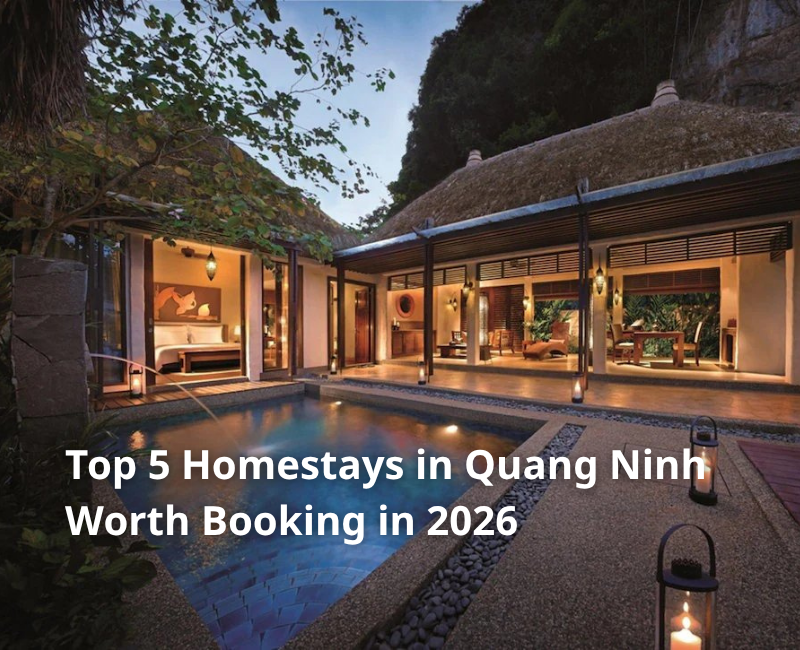
Top 5 Homestays in Quang Ninh Worth Booking in 2026
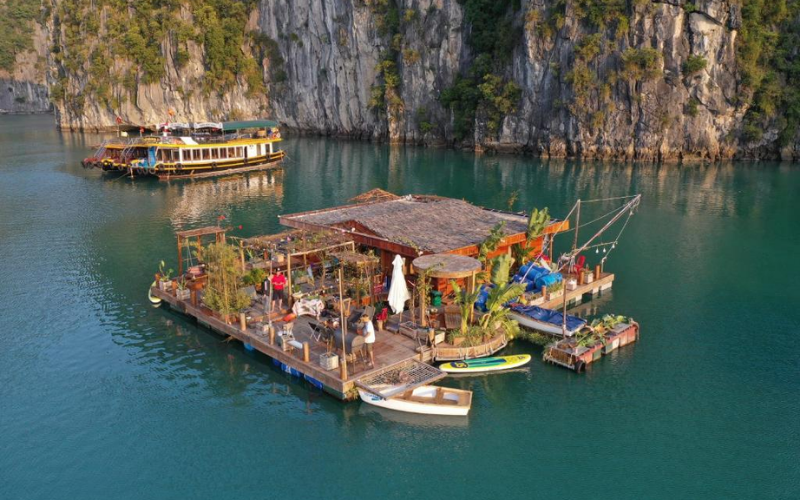
1. Lan Ha Bay Floating Village Homestay (Cat Ba Island Area)
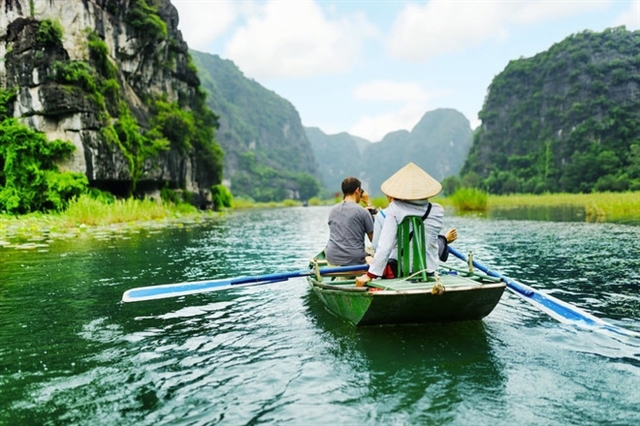
Located near the Lan Ha Bay fishing communities on the outskirts of Cat Ba Island, this floating village option is for travelers who specifically want an on-water, off-the-grid experience. You sleep in a simple wooden structure over the water, eat what the family catches, and wake up to karst peaks coming out of morning mist.
What makes it stand out: You’re not watching fishing life, you’re briefly part of it. Several families in this area accept small groups (2-4 people) for 1-2 night stays.
Best for: Solo travelers and couples who prioritize raw, unpolished immersion over comfort. Limitation: Basic amenities only. Not suitable for travelers who need reliable hot water or WiFi.
2. Paddyhome – Authentic Village Homestay near Halong Bay
Location: Doan Xa 1, Hong Phong Commune, Quang Ninh – roughly midway between Hanoi and Halong Bay, inside a working Vietnamese village surrounded by rice fields and fruit gardens.
Paddyhome is the only boutique homestay in the region that genuinely threads the needle between authentic village experience and real comfort. The property is set in a traditional Vietnamese house – the kind with high timber ceilings, ancestral halls, and an inner courtyard – yet the rooms are properly designed, with modern bathrooms, quality beds, and thoughtful décor inspired by Vietnamese cultural motifs (the Land Lord Room, Wild Lotus Room, Buffalo Room, and others each tell a different story from local history).
Why it works for international travelers:
| Feature | Detail |
|---|---|
| Location | Inside Hong Phong village, 90 min from Hanoi, 40 min from Halong |
| Meals | Full board: homemade Vietnamese breakfast, lunch & dinner included |
| Activities | Cycling off the beaten path, fishing, pottery kiln visits, traditional water irrigation demos |
| Room range | $85-$105/night (with breakfast included) |
| Language | English-speaking host (Jacky Vu and family) |
| Connectivity | Free high-speed WiFi, swimming pool on site |
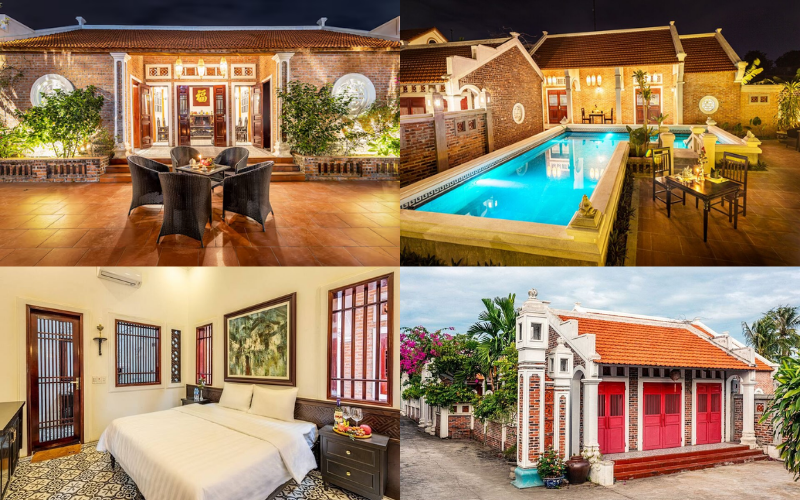
What separates Paddyhome from most “cultural homestays” in Vietnam is that the Vu family doesn’t just provide a bed – they genuinely host you. Meals are cooked by the family using local ingredients. Activities like cycling through village rice paddies or visiting a local pottery kiln aren’t add-ons you pay extra for; they’re built into the experience.
The property also functions as the ideal base for a Halong Bay itinerary that avoids the overcrowded tourist infrastructure at Halong City. Through Paddyhome’s Halong Bay tour packages, you can combine your village stay with a curated bay cruise, typically with smaller, more reputable operators than what you’d book through a random Hanoi travel agent.
Browse available rooms and check dates →
>>> Read more: Best Things to Know When Traveling Halong Bay City
3. Tuan Chau Island Guesthouse-Style Homestays
Tuan Chau Island, connected to the mainland by a causeway, has a handful of family-run guesthouses that market themselves as homestays. They’re more convenient if you’re arriving by private car or need to be close to ferry terminals for Halong Bay day trips.
What’s good: Central location, easy Grab/taxi access, decent English among younger host families. What to know: The “village feel” is limited here – Tuan Chau is fairly developed. These suit travelers who want location convenience more than genuine rural immersion.
4. Quang Yen Old Quarter Homestay
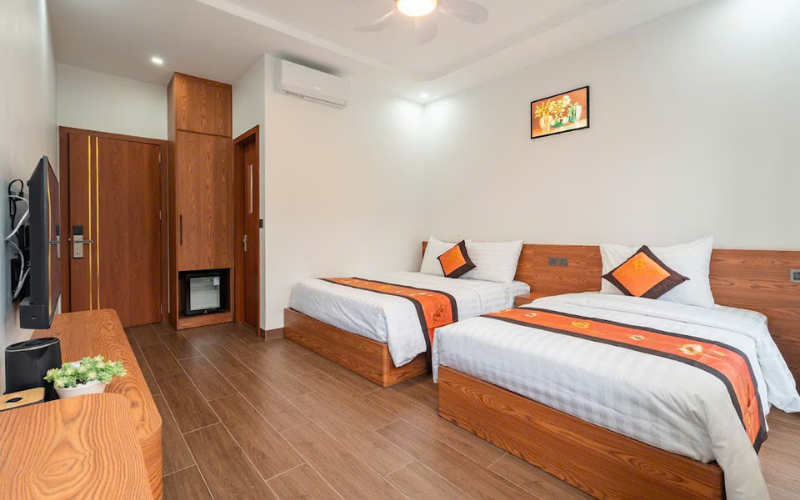
Quang Yen is a small town in Quang Ninh that most tourists skip entirely, which is exactly why it belongs on this list. It has one of the few preserved ancient Vietnamese communal house complexes in the north, and a handful of families in the old quarter have quietly started hosting travelers in renovated traditional homes.
What makes it stand out: This is the most historically rich option in the province. The host families here have lived in these houses for generations. Meals often feature dishes tied to the town’s distinct culinary identity, crab rice porridge (chao cua), fermented shrimp paste dishes, and freshwater fish preparations you won’t find on standard Vietnamese restaurant menus.
Best for: History-focused travelers, slow travelers, those doing a multi-day Quang Ninh deep dive. Limitation: Very few English speakers; basic amenities. A translator app is helpful.
5. Van Don Island Rural Homestays
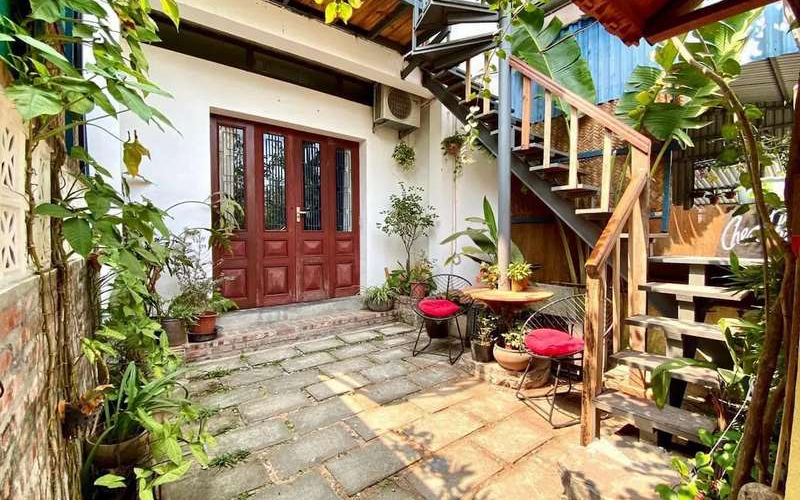
Van Don Island (Dao Van Don / Quang Yen district) sits about 50km east of Halong City and remains largely off the international tourist trail. A small number of farming and fishing families there accept overnight guests, particularly in the island’s interior villages.
What makes it stand out: You’ll have stretches of local coastline almost entirely to yourself. Van Don also has an interesting history, it was one of Vietnam’s earliest sea trade ports, and you can still find remnants of that maritime past in the island’s pagodas and village layouts.
Best for: Travelers with more time and an interest in going beyond the typical Halong Bay circuit. Limitation: Getting there requires a combination of bus and local ferry. Plan transport in advance.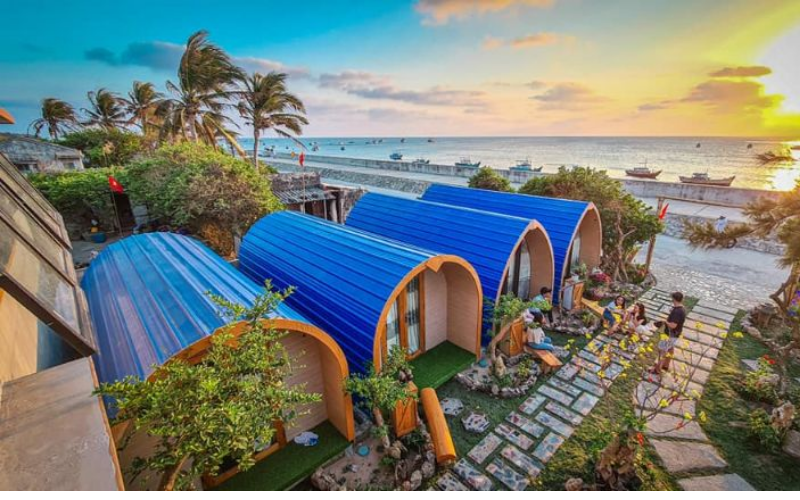
What to Look for When Choosing a Quang Ninh Homestay
Not every place calling itself a “homestay” in Vietnam delivers the experience the name implies. Here’s a practical checklist before you book:
| Question to Ask | Why It Matters |
|---|---|
| Do hosts speak enough English to communicate? | Critical for safety and getting the most from the experience |
| Are meals prepared by the family or outsourced? | Real home cooking is a major part of cultural immersion |
| What’s included vs. what’s extra? | Many places advertise low room rates but charge separately for meals, activities, transport |
| Is the location in an actual village or near a tourist zone? | Some “cultural homestays” are in urban areas with no authentic setting |
| What activities are genuinely on offer? | Cycling, farming, cooking class, fishing – confirm specifics, not just a bullet list |
See also: Discover Vietnam: A Perfect Destination for Unforgettable Vacations – practical context for planning a fuller Vietnam itinerary around your Quang Ninh stay.
How to Plan a Quang Ninh Homestay Trip from Hanoi
Most international travelers arrive in Hanoi and treat Halong Bay as a day trip or one-night cruise. Adding a Quang Ninh homestay stay restructures the whole experience, and it’s easier to organize than most people assume.
Recommended itinerary structure:
-
- Day 1: Arrive Hanoi, rest or explore the Old Quarter
- Day 2: Transfer to Quang Ninh homestay (~2 hrs from Hanoi by private car or limousine bus). Afternoon: village activities, traditional dinner with family
- Day 3: Day cruise or shore excursion on Halong Bay, return to homestay for evening
- Day 4: Morning activities (cycling, local market visit), transfer back to Hanoi or onward
Paddyhome’s Halong Shore Excursions page has curated day-cruise options designed to work in combination with a village stay, worth reviewing before you book separate components independently.
For the Hanoi portion, their Hanoi-Halong Bay combined packages bundle transport, accommodation, and cruise into a single itinerary, which eliminates the coordination headache most independent travelers run into.
Getting there independently: From Hanoi’s My Dinh or Gia Lam bus stations, limousine buses to Halong City run frequently (roughly 150,000-200,000 VND, 2.5-3 hours). Paddyhome can arrange private car pickup from Hanoi for guests booking directly.
According to Vietnam’s National Administration of Tourism, Quang Ninh received over 13 million visitors in 2023, the vast majority concentrated in Halong Bay’s cruise sector, which means the villages and rural areas within the same province remain genuinely uncrowded.

FAQ: Homestay in Quang Ninh
1. What is the best homestay in Quang Ninh for international travelers?
Paddyhome in Hong Phong Commune is the most consistently well-reviewed option for English-speaking international visitors. It combines authentic village setting, traditional architecture, home-cooked meals, and on-site activities, with a host family that speaks English and has experience welcoming guests from the US, Europe, and Australia. Browse rooms here.
2. How much does a homestay in Quang Ninh cost per night?
Budget guesthouses start around $15-25/night, but often include minimal amenities. Mid-range cultural homestays like Paddyhome run $85-$105/night and include full board (all meals) and activities – making the effective cost-per-experience quite reasonable compared to a hotel where you’re paying separately for food and tours.
3. Is a Quang Ninh homestay suitable for solo travelers?
Yes. Most well-run homestays in the province welcome solo travelers and often connect solo guests with other visitors for shared activities like cycling or bay excursions. Paddyhome is a particularly social environment due to its communal dining setup.
4. What activities can I do from a Quang Ninh homestay?
Cycling through rice paddies, visiting traditional pottery kilns, fishing, swimming (if there’s an on-site pool like Paddyhome’s), local market visits, cooking with the family, and day cruises on Halong or Lan Ha Bay are all commonly available.
5. Do I need a visa for Vietnam to stay at a homestay?
Vietnam offers e-visa for citizens of most countries including the US, UK, Australia, Canada, and EU nations – valid for 90 days. Apply at evisa.xuatnhapcanh.gov.vn.
>>> See also: How to Get a Vietnam Visa Upon Arrival for a step-by-step breakdown.
7. What’s the best time of year to visit Quang Ninh?
October to April is the ideal window – mild temperatures, lower humidity, and generally clear skies over the bay. Summer months (June–August) bring higher temperatures and occasional typhoons, though they’re also the peak domestic tourism season. Quang Ninh’s landscape is genuinely beautiful year-round; rain can add a moody atmosphere to the karst scenery.
Ready to Book?
If you want to experience Quang Ninh beyond the cruise ship deck – in a traditional Vietnamese home, waking up to roosters rather than a ship’s horn, eating food cooked by the family who grew it – Paddyhome’s accommodations page is the right place to start. Rooms include all meals, activities, and the kind of local knowledge that doesn’t come in a guidebook.
→ Check availability and book your stay at Paddyhome
Oops! We could not locate your form.