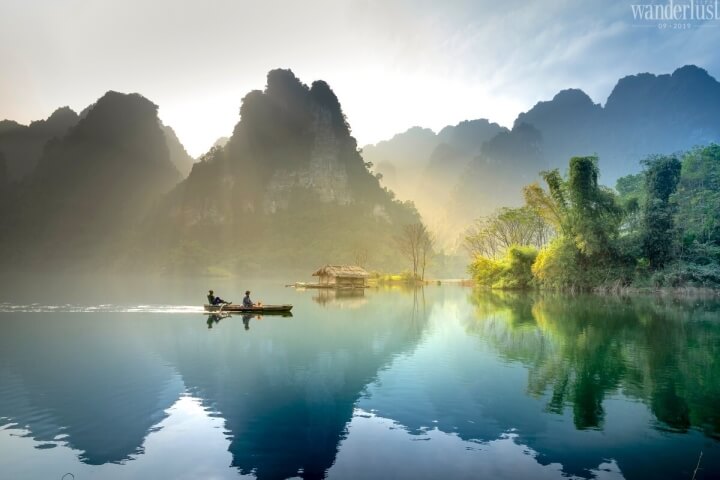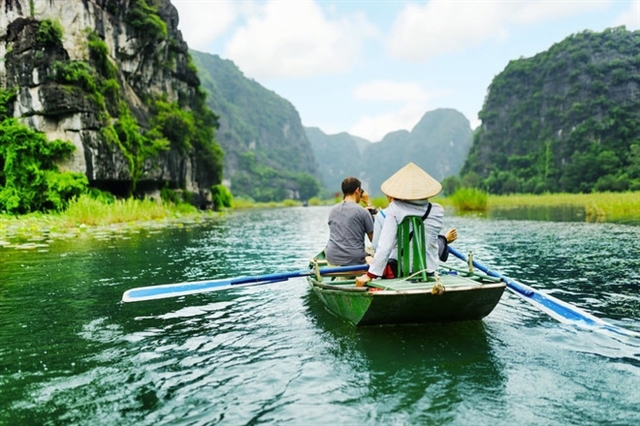
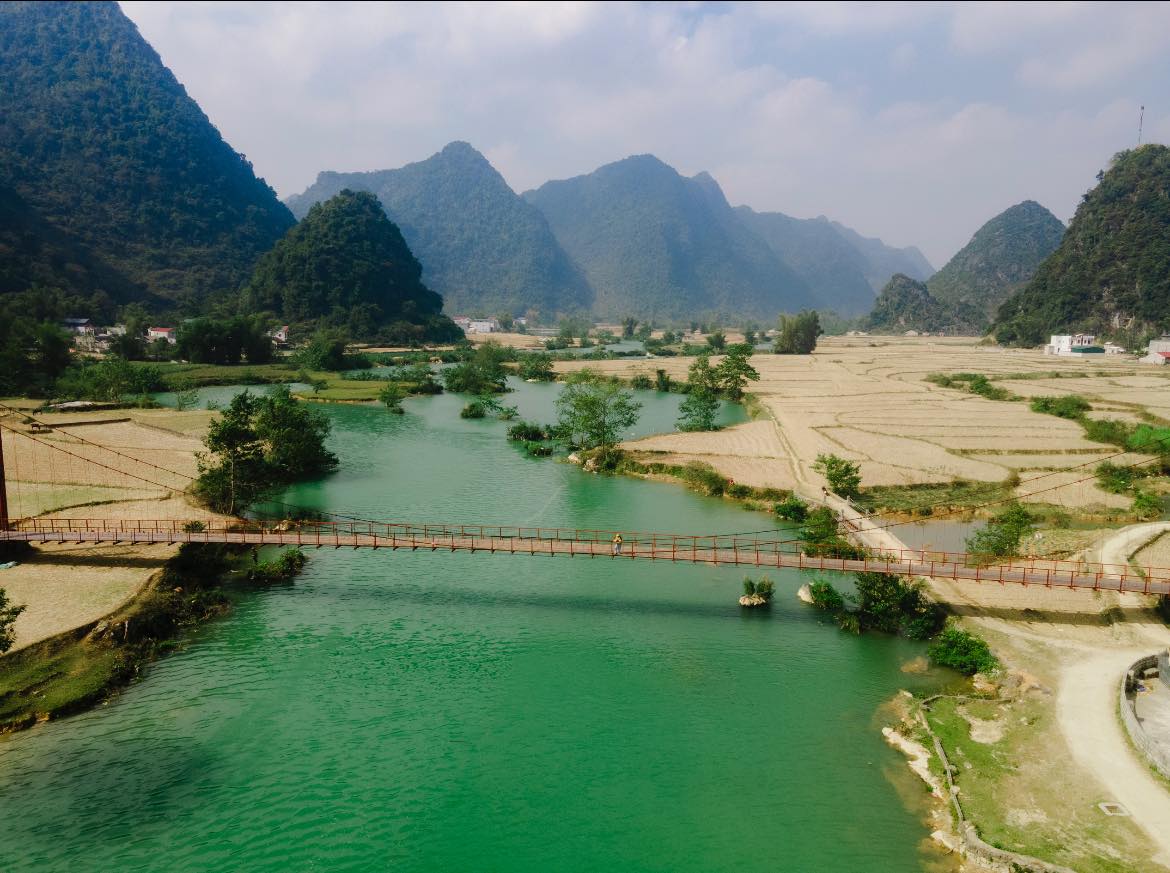
CAO BẰNG — Cao Bằng Province has experienced remarkable tourism growth in recent years, driven largely by its recognition as part of the UNESCO Global Geopark Network in 2018. This prestigious status has not only elevated the province’s profile on domestic and international tourism maps but has also created new opportunities for heritage preservation, community engagement, and sustainable tourism development.
The geopark designation has reshaped how visitors explore Cao Bằng, placing strong emphasis on indigenous culture, local livelihoods, and authentic travel experiences—particularly through the rapid rise of Vietnam homestay tourism in ethnic minority villages.
Tourism figures reflect this momentum. In 2016, Cao Bằng welcomed around 650,000 visitors. By 2025, arrivals are projected to exceed 2.45 million, representing a fourfold increase. Between 2021 and 2025 alone, the province expects to host approximately 7.8 million visitors, with an average annual growth rate of over 53 per cent. Total tourism revenue is forecast to reach VNĐ5.5 trillion (US$214.8 million)—more than three times earlier levels.
Nature, Culture, and Lasting Impressions
Travelers are drawn to Cao Bằng for its dramatic landscapes and rich cultural heritage—and they often leave deeply moved.
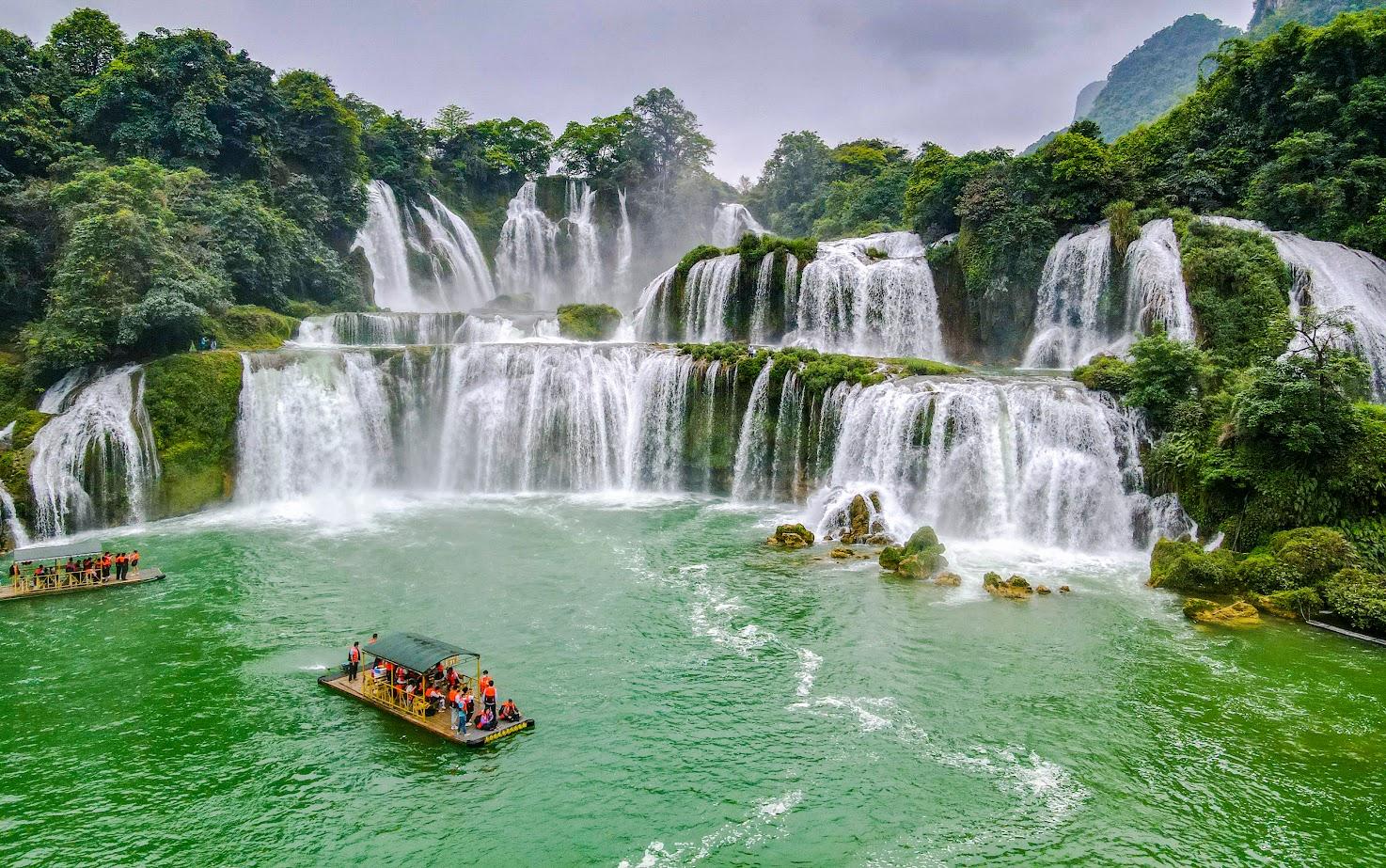
Astrid Empacher, a visitor from Denmark, described her experience after visiting Bản Giốc Waterfall and Ngườm Ngao Cave as unforgettable. “Cao Bằng gave me a very special feeling—pristine nature, friendly people, and a vibrant living culture,” she said.
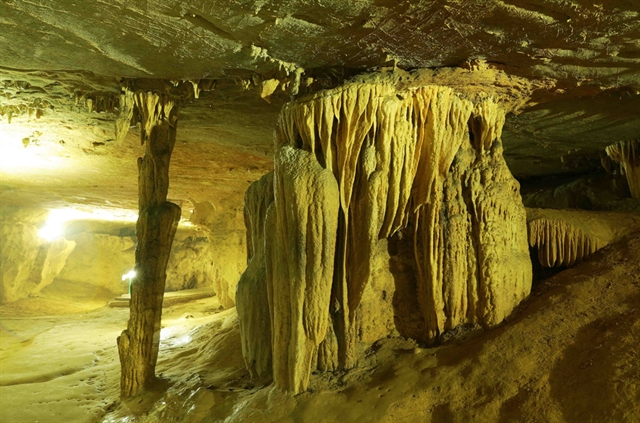
Ngườm Ngao Cave, renowned for its spectacular stalactites and stalagmites in countless shapes, is considered one of the most beautiful caves in Việt Nam and remains a highlight for both domestic and international tourists.
Đinh Tuấn Gia, a visitor from Hồ Chí Minh City, shared his reflections after exploring the Pác Bó Special National Relic Area in Trường Hà Commune.
“I had heard many stories about Pác Bó, where President Hồ Chí Minh returned after 30 years in exile,” Gia said. “Seeing the mountains, forests, and historical sites in person made me realise just how beautiful and meaningful our country is.”
Community Tourism and the Rise of Vietnam Homestays
At the heart of Non nước Cao Bằng UNESCO Global Geopark lies a strong commitment to community-based tourism. Quảng Uyên Commune has emerged as an experiential hub, offering visitors opportunities to engage with local culture, traditional crafts, and village life.
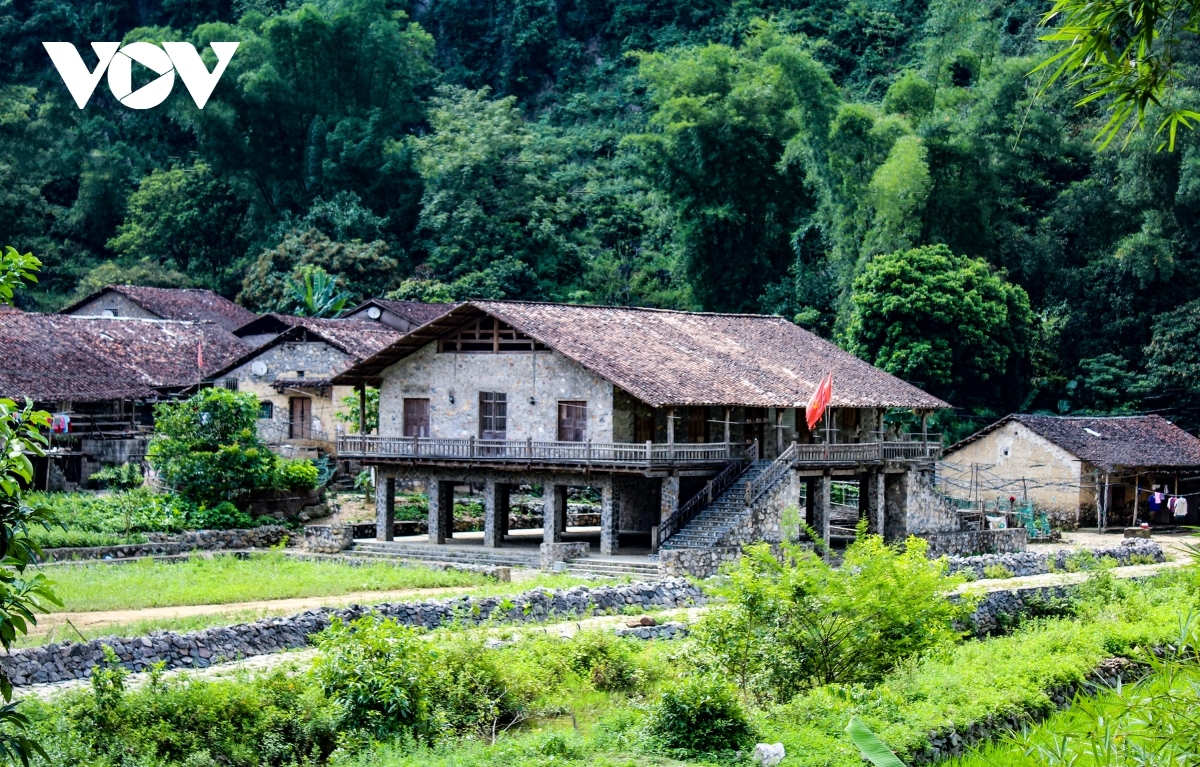
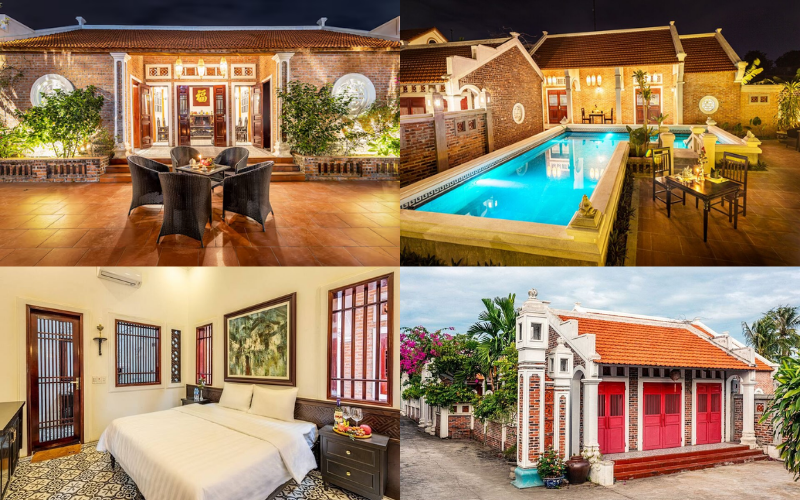
One of the most notable transformations can be seen in Khuổi Ky Stone Village, where traditional houses have been reimagined as welcoming Vietnam homestay accommodations.
Mạc Thị Khon, a local homestay operator, explained:
“In the past, stone houses were only for living—no one thought about hosting guests. Since joining the geopark, we’ve received training in community tourism. My family renovated our home, and now we welcome thousands of visitors each year. Our income has improved, but we still preserve our cultural identity.”
Across the geopark, households have revived traditional crafts such as brocade weaving, both as a source of income and as a way to share cultural heritage with visitors. Villages like Phia Thắp, Hoài Khao, and Luống Nọi have found new livelihoods rooted in tradition, with tourism creating stable jobs for ethnic minority communities.
Sustainable Development for the Future
Supported by a network of 58 partners, the geopark plays a vital role in safeguarding cultural traditions, improving livelihoods, and ensuring tourism growth remains sustainable. Thousands of local residents now benefit directly from tourism-related employment, particularly through community tourism models and Vietnam homestays.
Hoàng Thị Huệ, Deputy Director of the Management Board of Non nước Cao Bằng UNESCO Global Geopark, emphasised that the geopark’s success reflects a deep respect for heritage and community well-being.
Currently, 36 out of 56 communes and wards in Cao Bằng are part of the geopark. By 2026, the province aims to retain its UNESCO Global Geopark status while ensuring that the benefits of tourism continue to reach local people and future generations.
To achieve this, Cao Bằng will further enhance geopark values in line with UNESCO criteria, prepare for re-evaluation cycles, and expand international cooperation with other geoparks worldwide. The long-term goal is to embed sustainable development into everyday life, ensuring that cultural preservation and environmental protection remain central to tourism growth.
Expanding Experience Routes
Covering more than 3,683 square kilometres, Non nước Cao Bằng UNESCO Global Geopark showcases the striking beauty of Việt Nam’s northern mountainous region. The geopark currently features four experiential routes, including the northern route, “Journey to the